Almonds vs. Peanuts vs. Cashews vs. Pistachios: Which Has More Protein and Healthy Fats?
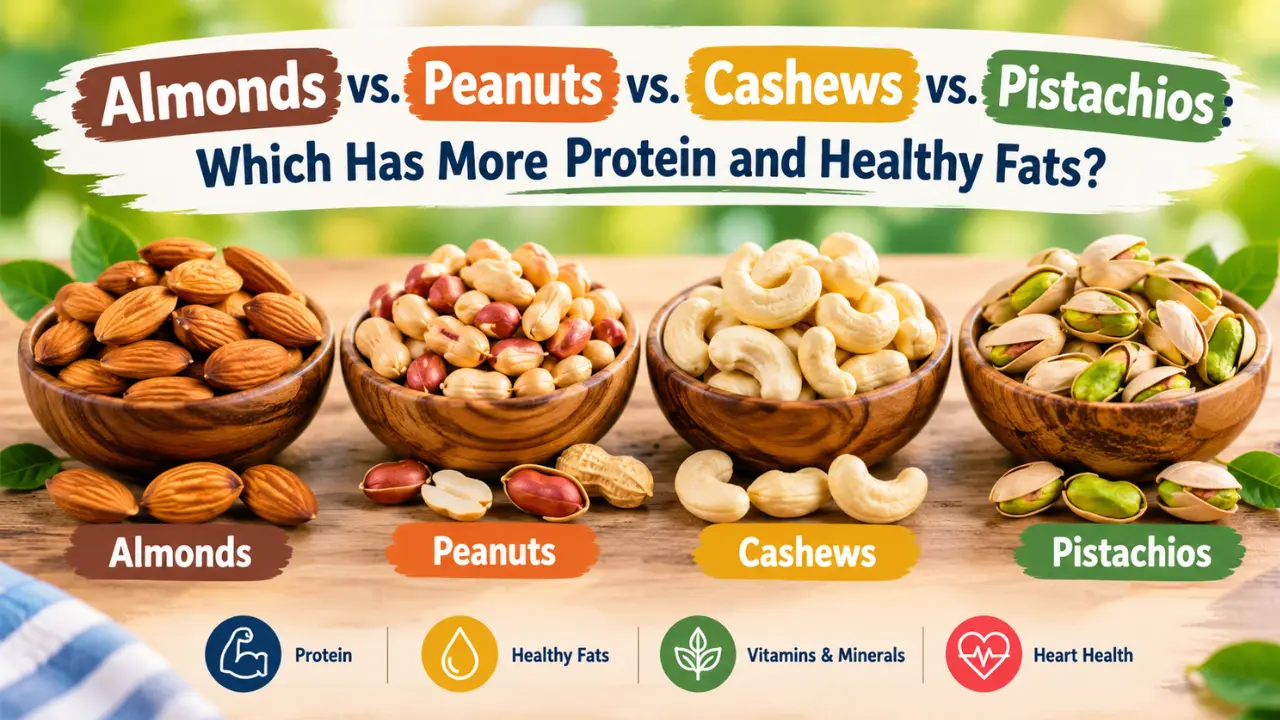
The real answer isn’t just which nut has more protein, but how much of it you actually absorb, and why.
The real answer isn’t just which nut has more protein, but how much of it you actually absorb, and why.
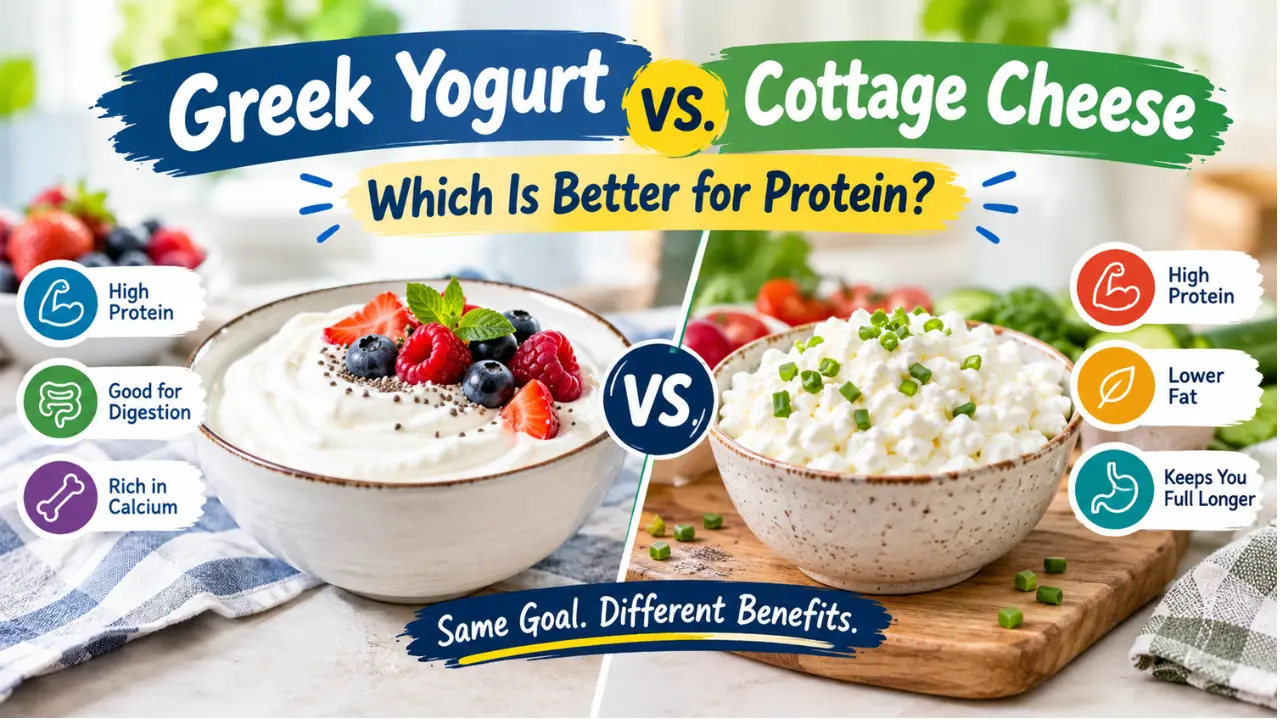
The 2-gram protein gap between these foods barely registers biologically — here’s what actually decides who should eat which.
Broccoli’s benefits are real, but the dose, the cooking method and your personal health history change the numbers more than any superfood headline admits.
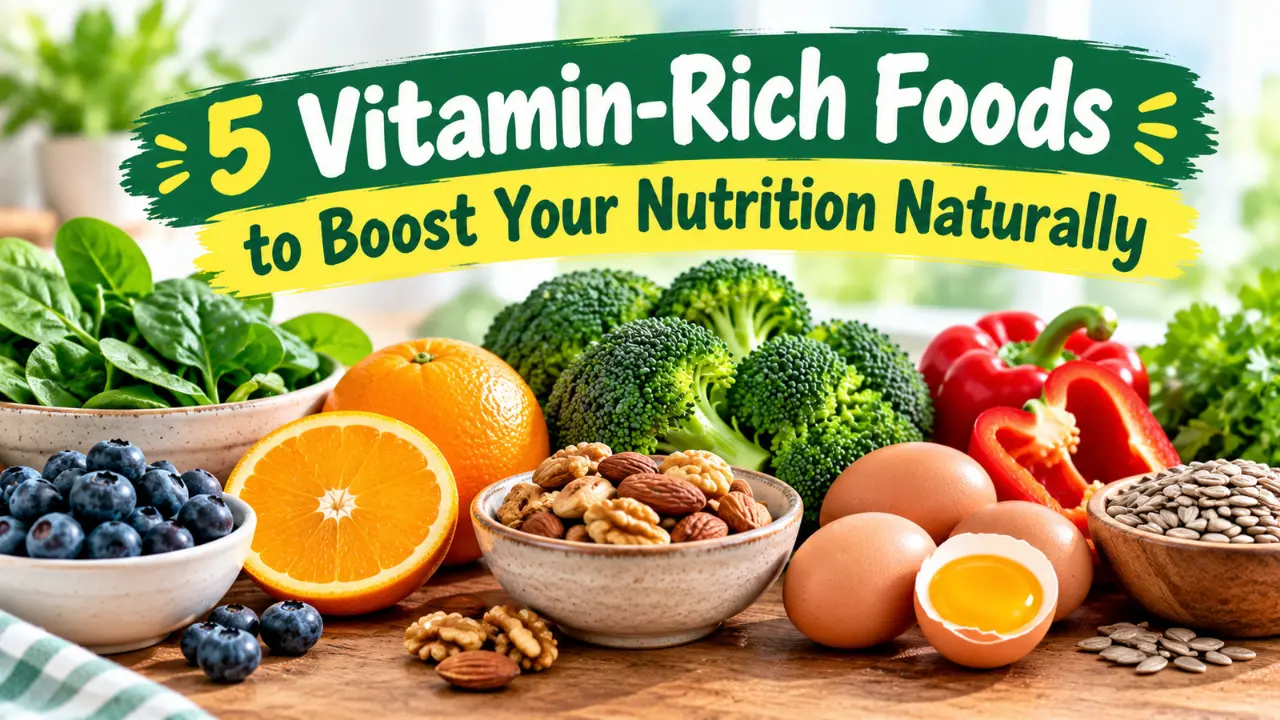
One egg yolk, five foods, and the single vitamin none of them can really cover — plus who needs a different plan entirely.
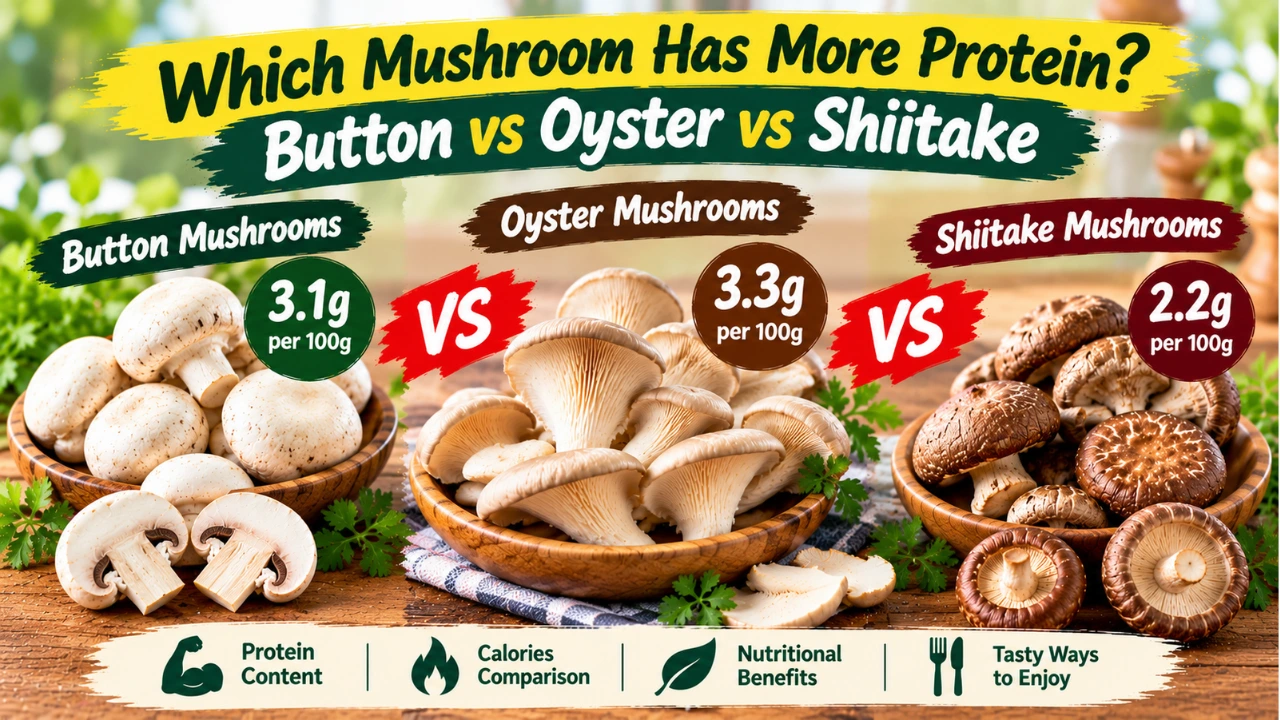
Raw protein grams don’t tell the real story — cooking, chitin and amino acid gaps decide how much mushroom protein your body actually uses.
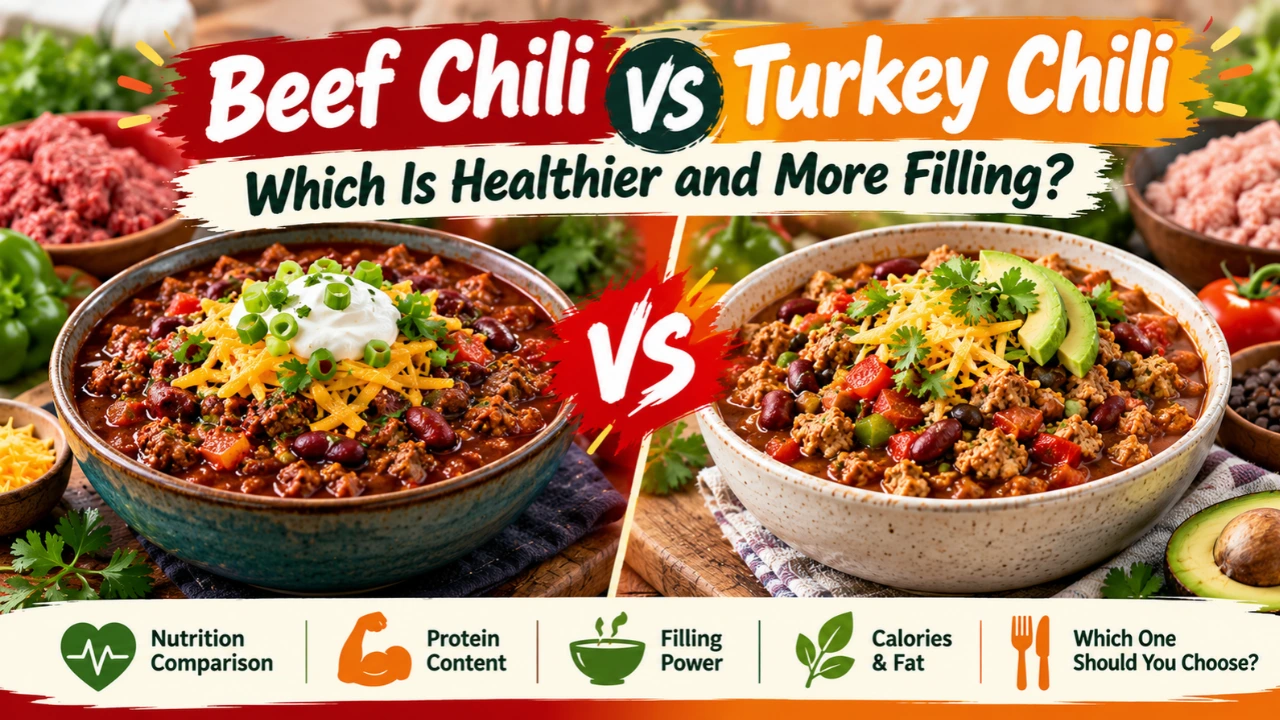
USDA gram-for-gram data show canned beans often add more sodium than the meat swap — and reveal who should skip turkey chili entirely.
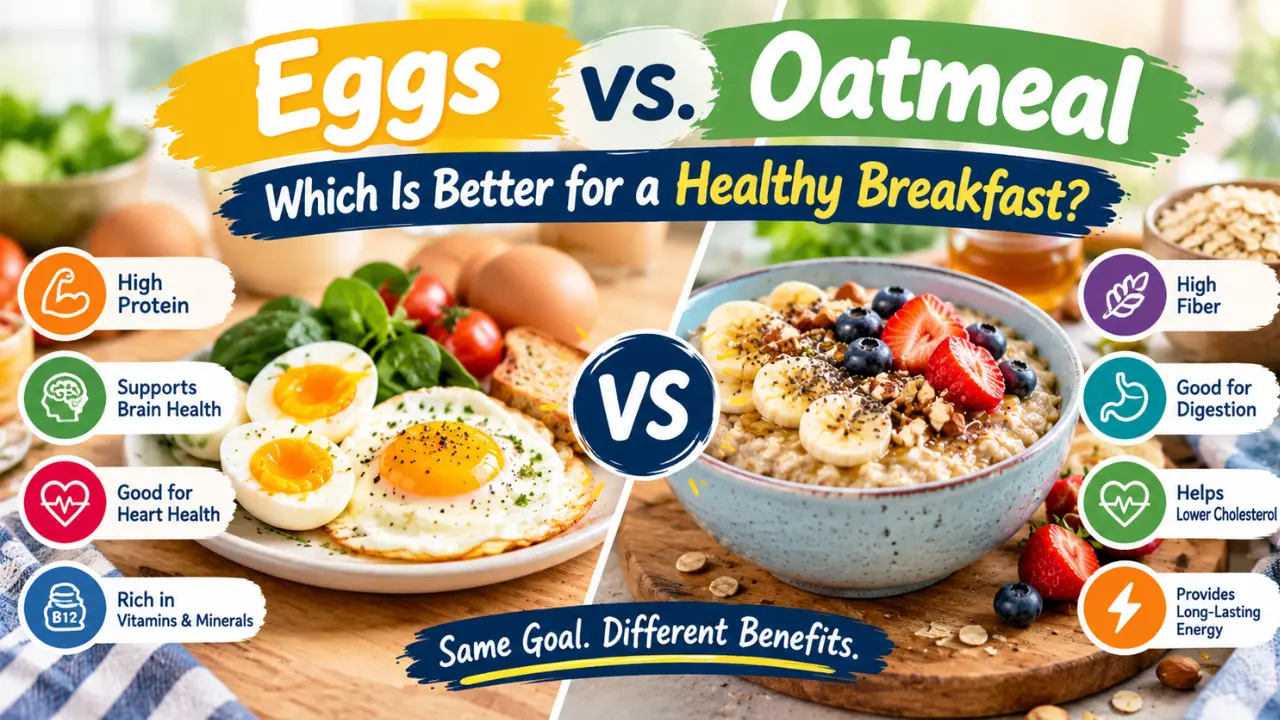
The real answer depends on toppings, cooking method, your cholesterol response, and what “healthy” means for your body.
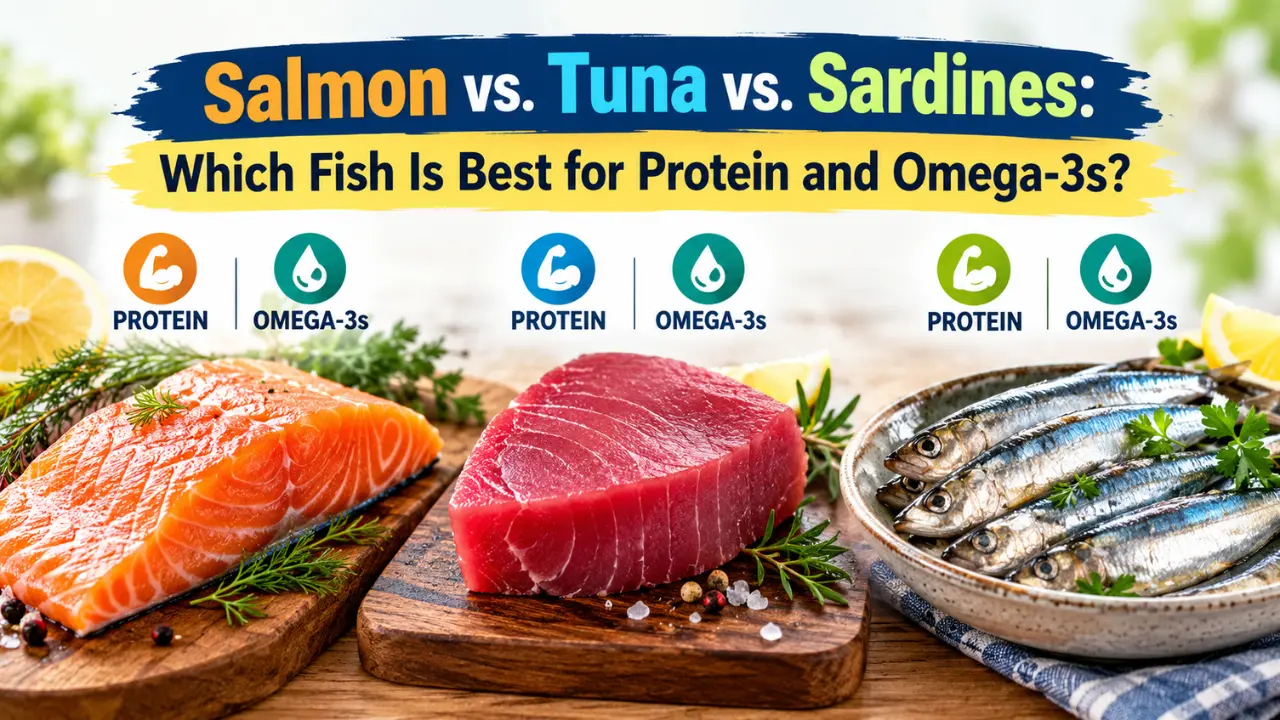
Normalize servings, add sodium and calcium, and sort mercury limits by who you actually are — the real winner depends on you.
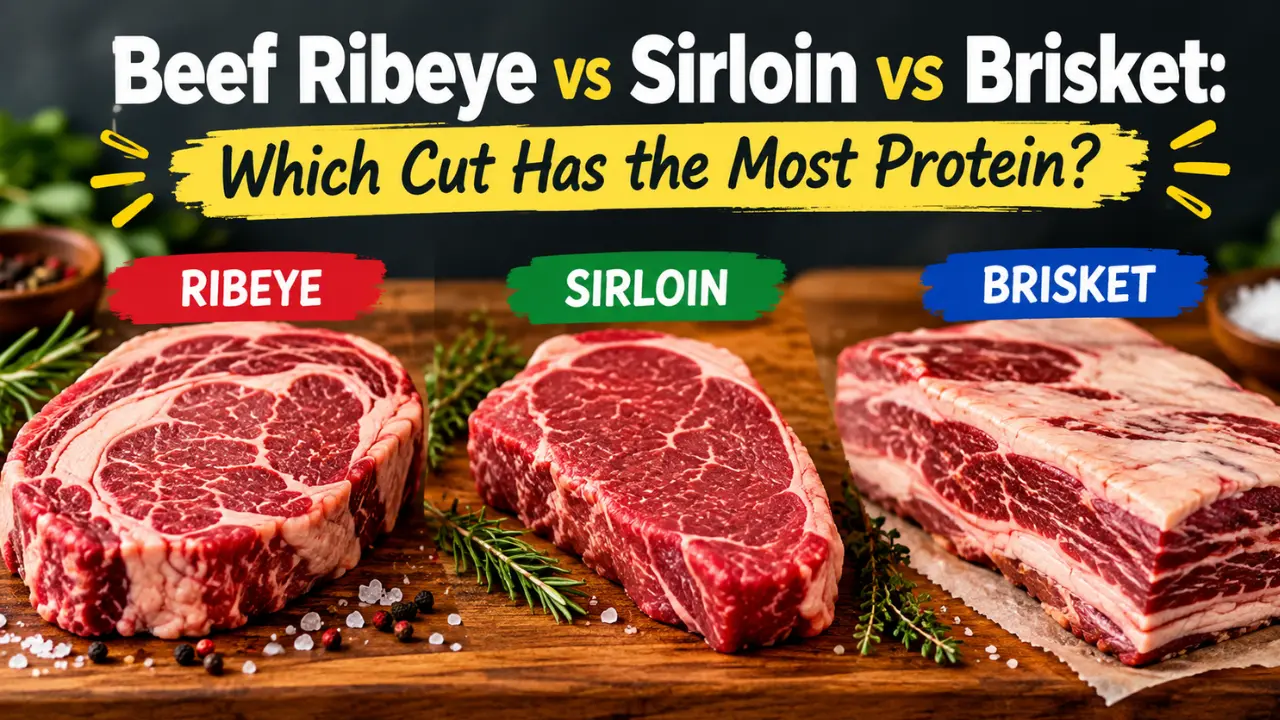
Raw-weight USDA data crowns a winner, but cooking method, trim, and your specific goal can flip the real-world answer entirely.
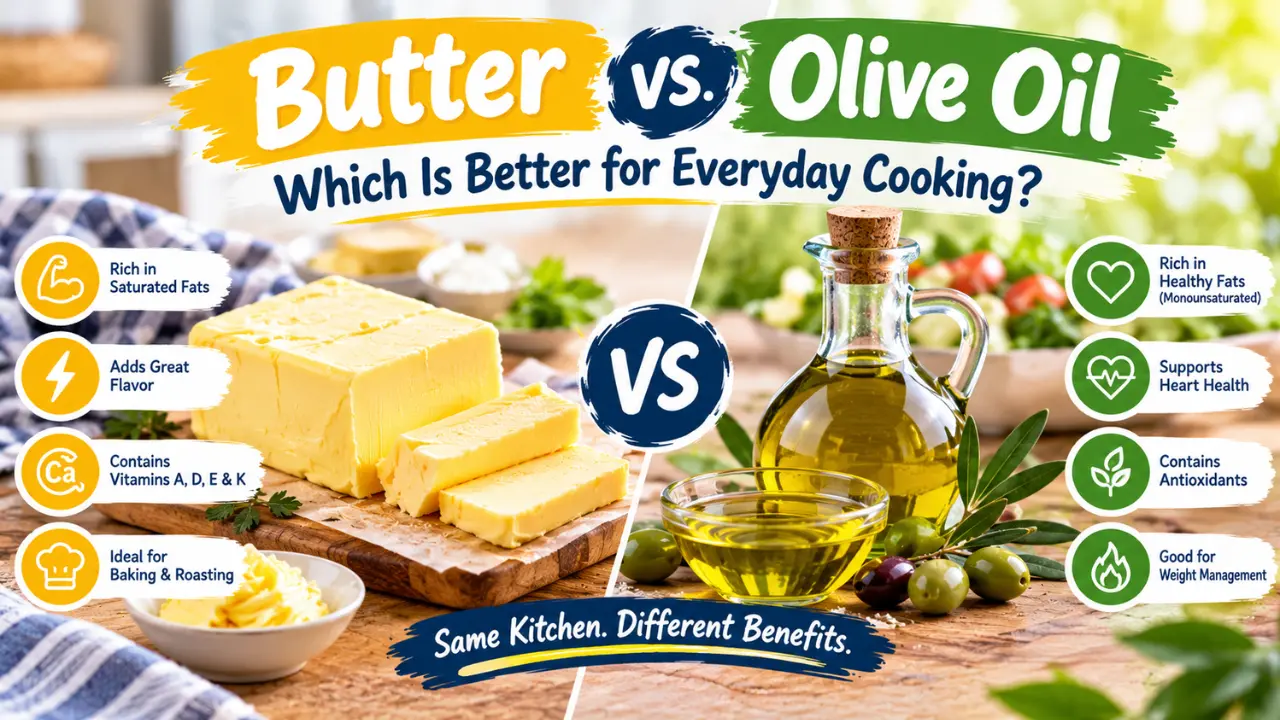
Exact substitution ratios, calorie-per-tablespoon math, and who should keep reaching for butter despite the olive oil hype.