Salmon vs. Tuna vs. Sardines: Which Fish Is Best for Protein and Omega-3s?
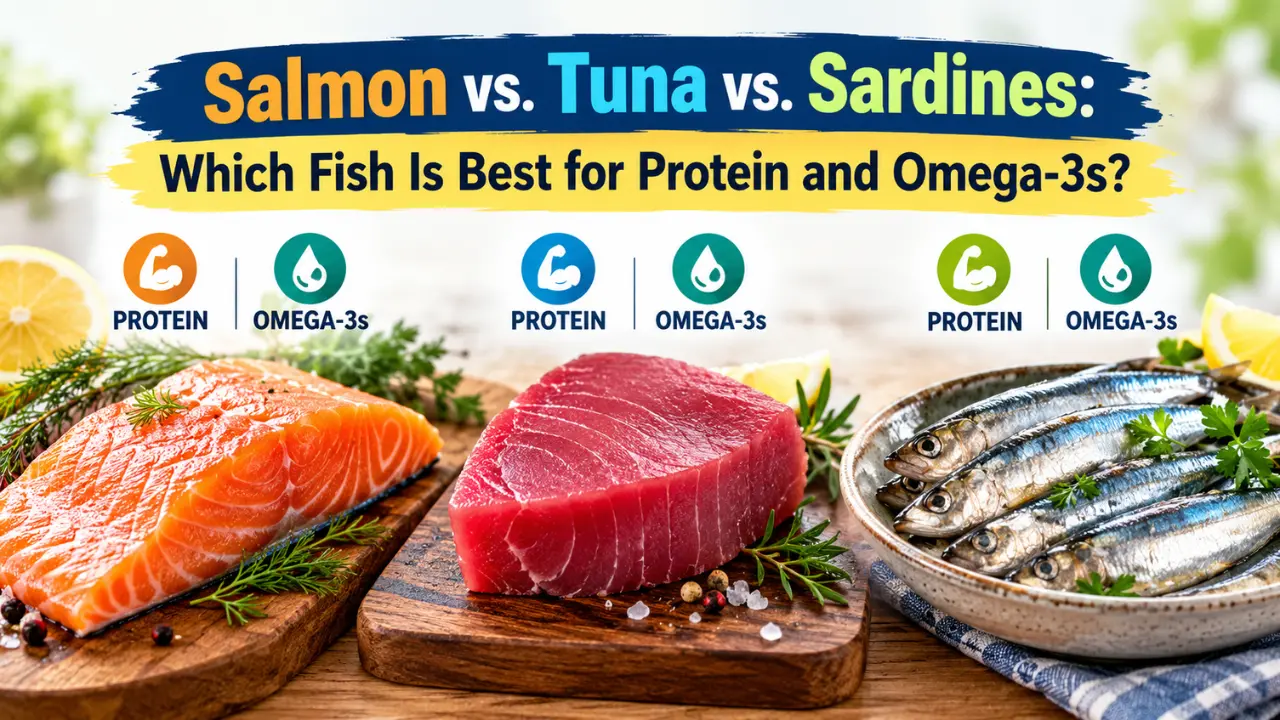
Normalize servings, add sodium and calcium, and sort mercury limits by who you actually are — the real winner depends on you.
Normalize servings, add sodium and calcium, and sort mercury limits by who you actually are — the real winner depends on you.
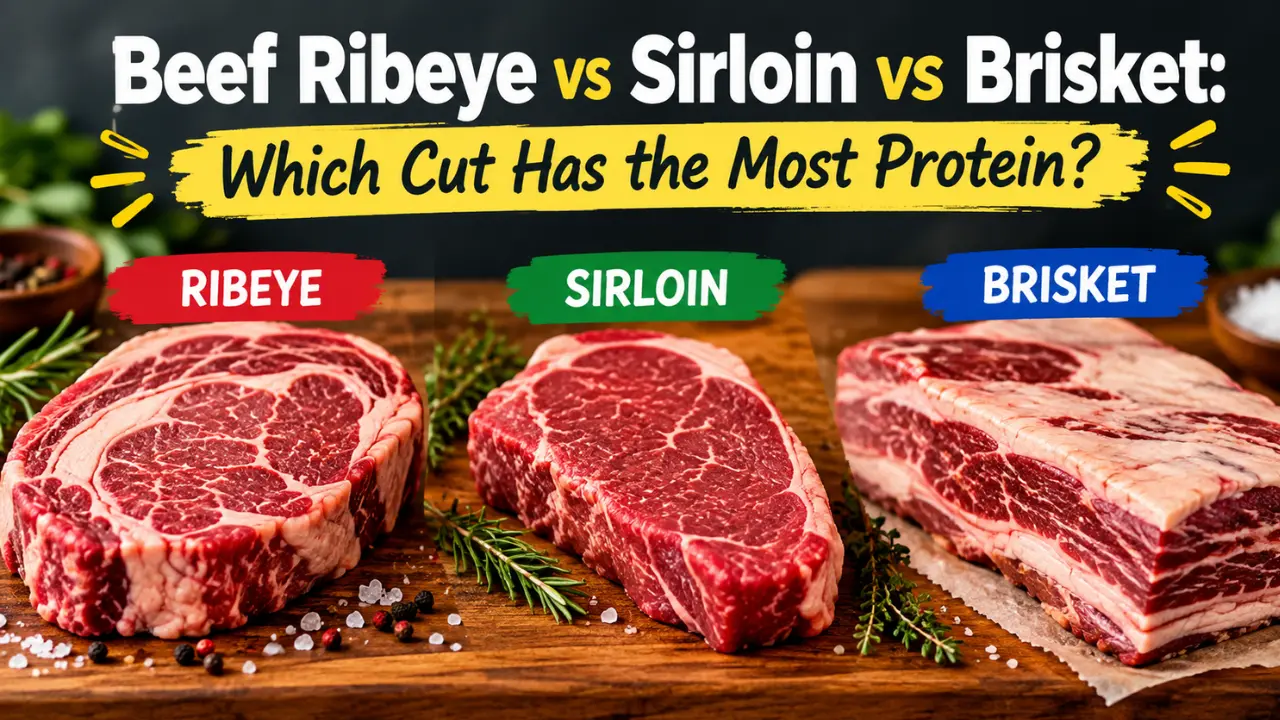
Raw-weight USDA data crowns a winner, but cooking method, trim, and your specific goal can flip the real-world answer entirely.
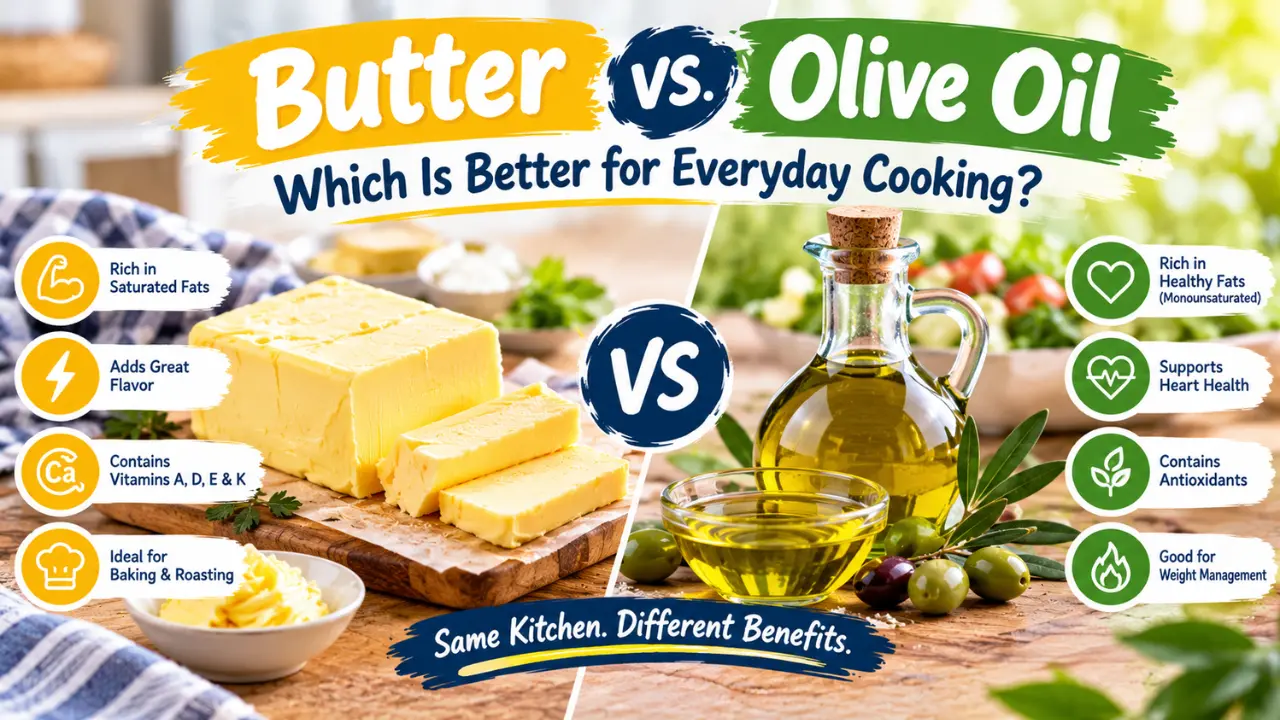
Exact substitution ratios, calorie-per-tablespoon math, and who should keep reaching for butter despite the olive oil hype.
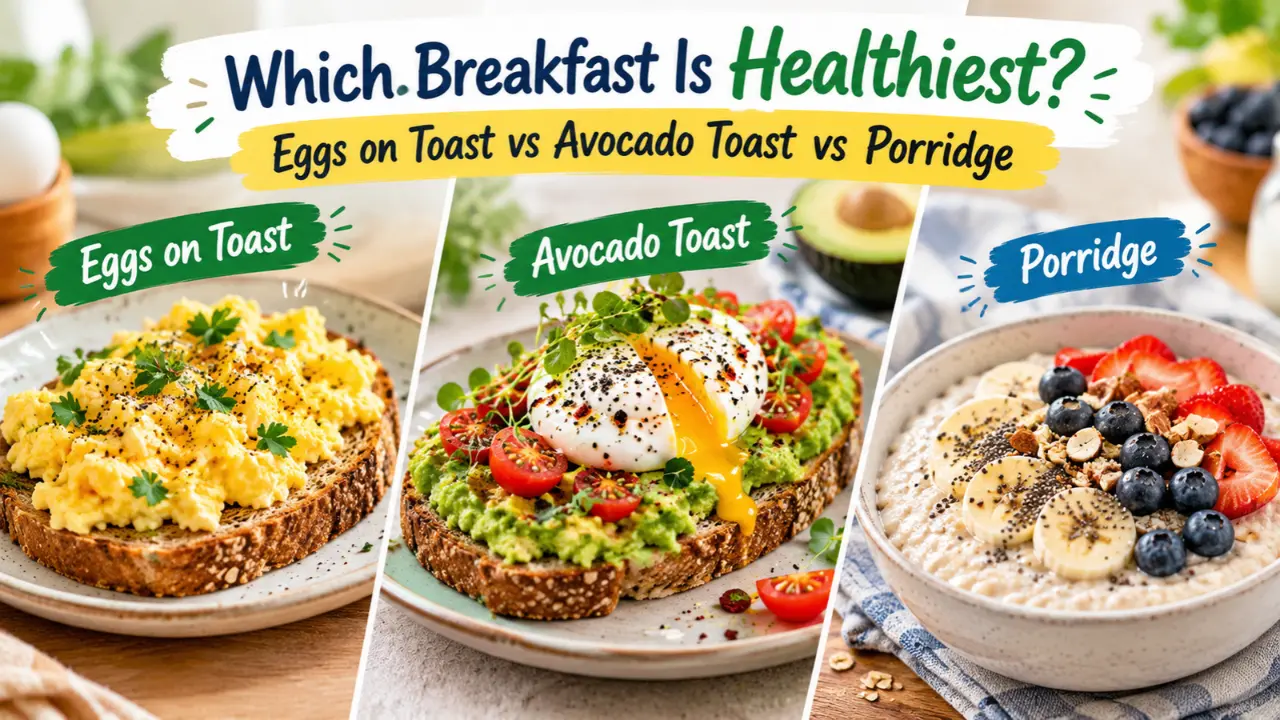
Real glucose and satiety-hormone data show porridge can spike blood sugar more than a protein-based breakfast, with caveats for diabetes, reflux and IBS.

Six empty-stomach drinks, ranked by wait time, daily limits, and the specific conditions that turn a healthy habit into a problem.
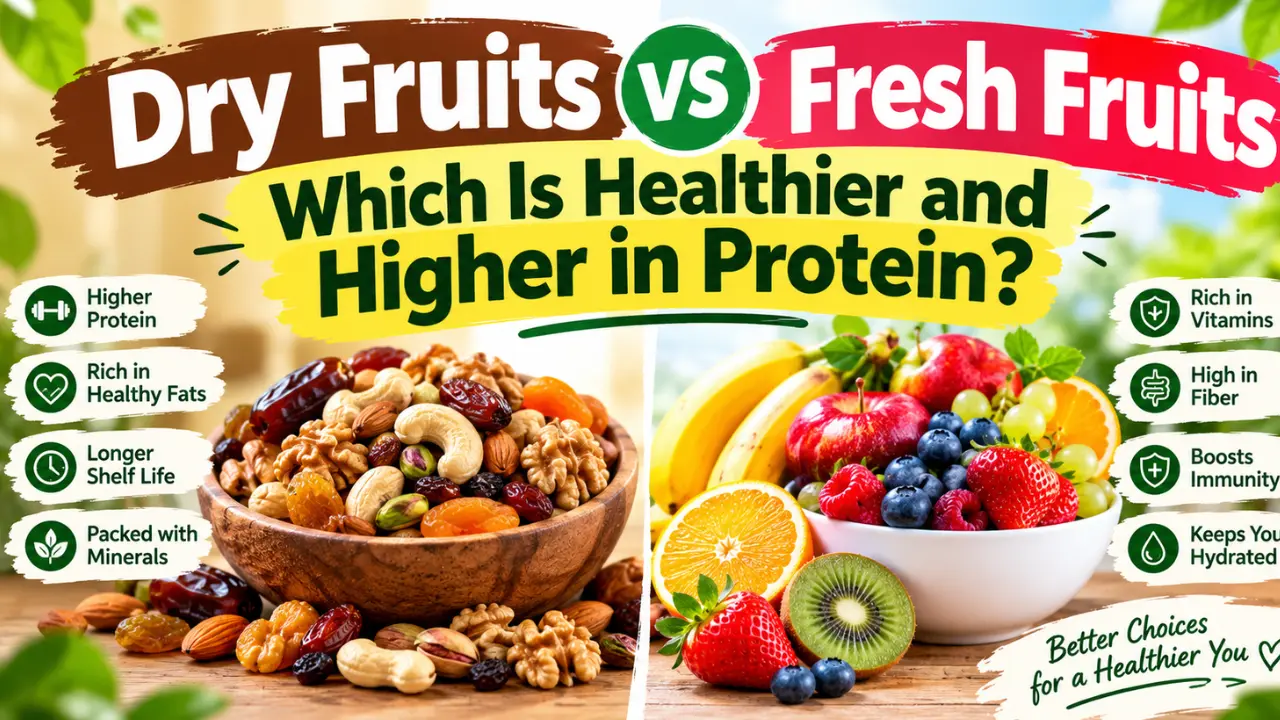
Not all dried fruit raises blood sugar the same way — a per-fruit sugar and GI ranking shows which ones actually work for diabetics and dieters.
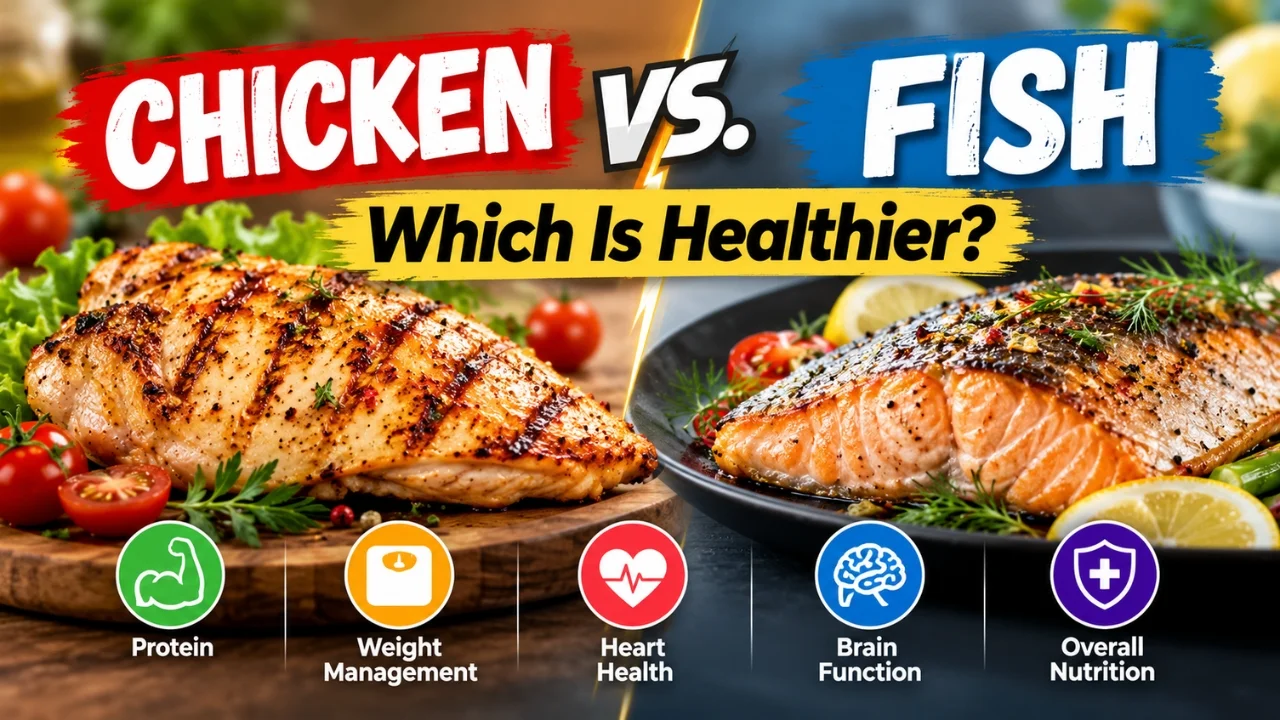
The right protein depends on your labs, not your goals — gout, cholesterol, pregnancy, kidneys and blood thinners each flip the answer.
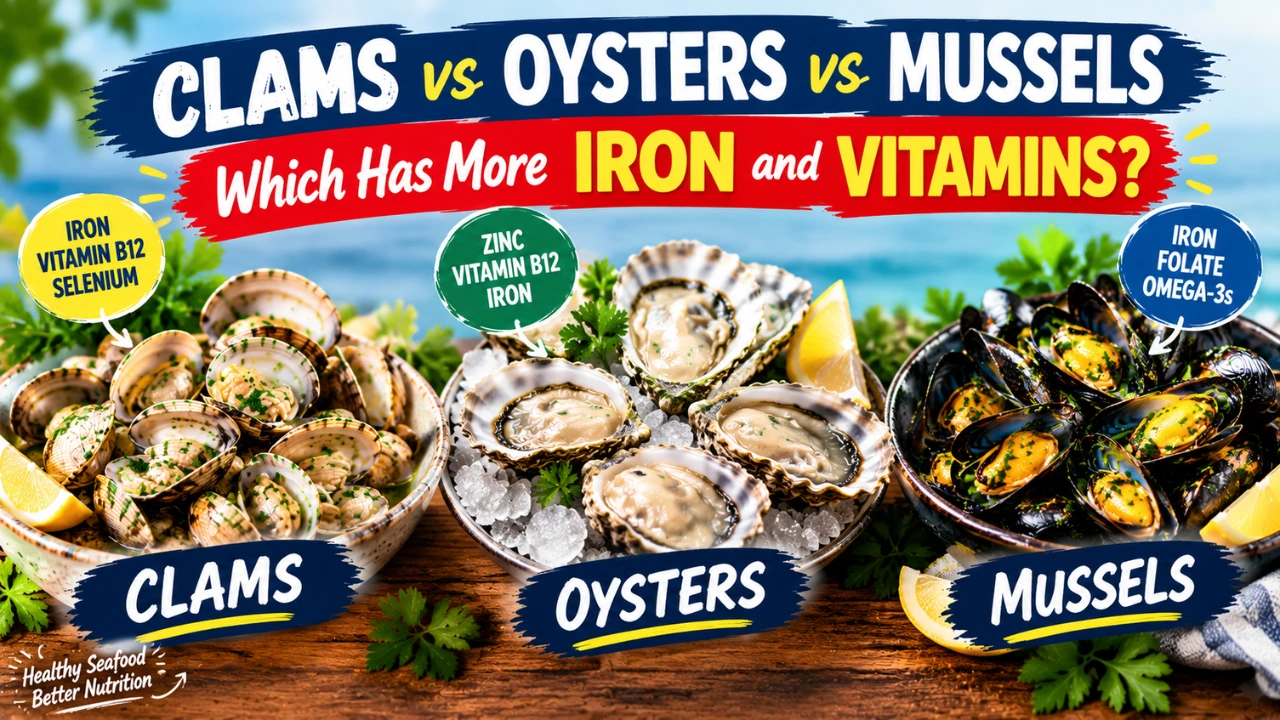
Clams top the iron and B12 charts, but absorption, zinc overload, and heavy-metal buildup change who should actually eat them.
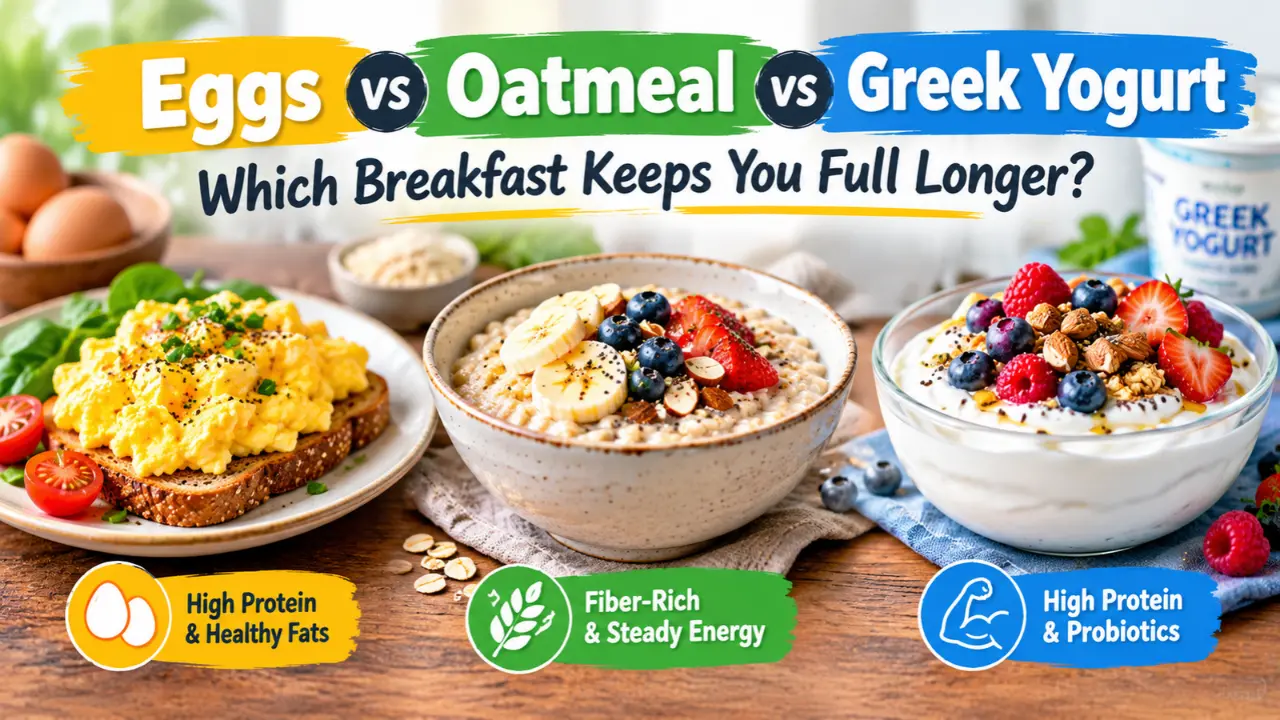
The real answer isn’t which food wins, it’s how you’re testing fullness in the first place — and almost no one explains that part.
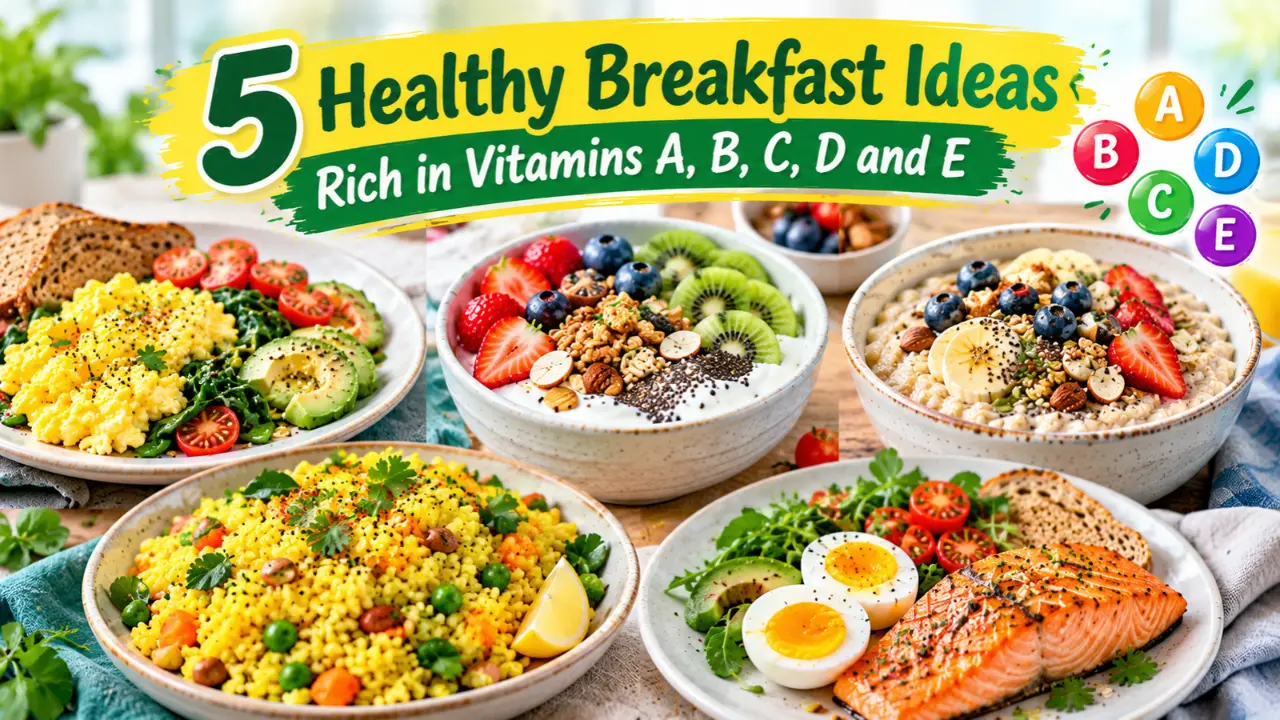
Real numbers behind five “vitamin-rich” breakfasts, and why pregnant women, warfarin users and biotin-gummy fans should read the fine print.