This Cheap Candy Brand Is a Halloween Favorite, and You Can Find It at Dollar Stores
Sweet Smiles isn't really a candy company — it's a label, and that distinction matters more than the price tag does.
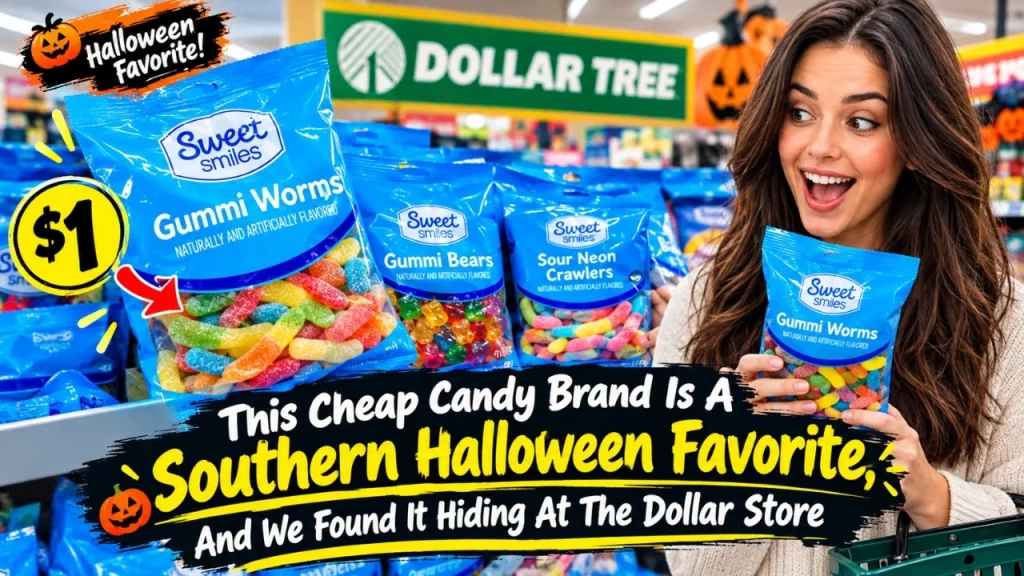
There is no company called Sweet Smiles that makes candy. The name on the bag is a private label, stitched onto product sourced from contract manufacturers the same way a store’s bagged pretzels or off-brand cereal are made by whoever bid lowest that quarter. That is not unusual in the dollar-store world, but it means the bag in your cart was not necessarily made in one place, by one recipe, every time you buy it — and the label tells you almost nothing about who actually produced what is inside.
- Sweet Smiles is a store brand, not a manufacturer, which means formulas and sourcing can shift between batches without any change to the packaging
- Gummy and chewy pieces commonly rely on gelatin, and shelf tags rarely specify whether it is pork-, beef-, or plant-derived
- Comparing the sticker price across Dollar Tree, Dollar General, Walmart, and Five Below is misleading unless you also compare bag weight, since package sizes are not standardized
- Loose, unwrapped pieces sharing a bag create cross-contact risk for allergens and a shorter practical shelf life than individually wrapped candy
What Sweet Smiles Actually Is
Private-label candy works like private-label anything else on a dollar-store shelf: a retailer or a broker licenses a name, contracts with one or more candy manufacturers to produce a line of old-fashioned items — circus peanuts, root beer barrels, cherry sours — and packages them under that house name. The manufacturer behind the product is frequently a mid-size confectionery company that also produces candy for other retailers under different labels, sometimes in the same facility and on the same lines in the same week. None of that is disclosed on the bag itself, which typically lists only a distributor address or a generic “packed for” line rather than the actual production source.
That matters for consistency. A name-brand candy like a Reese’s cup or a bag of Skittles is made to a fixed, audited formula regardless of where you buy it. A private-label candy can legally be reformulated, re-sourced, or switched to a different co-packer entirely, and the bag design often does not change to reflect it. If you have ever noticed that a bag of Sweet Smiles tasted slightly different from one trip to the next, that is a plausible explanation rather than a coincidence.
Why Allergen Labels Get Murky on Store-Brand Candy
Gelatin is the ingredient most worth watching. It shows up in gummy worms, soft cherry sours, and similar chewy pieces, and it is almost always sourced from pork or beef collagen. Shelf tags and bin signage at dollar stores rarely specify the source, and even the ingredient panel on the bag may simply say “gelatin” without naming the animal of origin — which is a problem for households keeping kosher, halal, or vegetarian, not because the company is hiding anything, but because candy regulation does not require that level of disclosure the way major allergens do.
Tree nuts and milk raise a separate issue. Even when a specific candy piece contains no nut or dairy ingredients, bulk private-label candy is frequently produced in facilities that also process peanuts, tree nuts, or milk-based confections on shared equipment. A responsible package will carry a “may contain” statement, but because sourcing can shift between batches, that statement is only as reliable as the most recent production run the company bothered to update. For a family managing a nut allergy, a bag bought in September and one bought in October are not guaranteed to have come from the same supply chain, even with identical packaging.
What the Price Tag Doesn’t Tell You
The fair way to compare Sweet Smiles across retailers is cost per ounce, not cost per bag, and this is where shelf shopping gets genuinely confusing. Dollar Tree, Dollar General, Walmart, and Five Below do not stock identical bag sizes of the same candy. A bag that looks like the “same” Sweet Smiles product at two different stores can differ enough in net weight that the one with the higher sticker price is actually the better buy per ounce, and the cheaper-looking bag is the worse one.
Because package weights and shelf prices change store to store and season to season, the only reliable method is to do the math yourself at the shelf: take the price, divide it by the ounces printed on the bag, and write the result on a notes app if you are comparing more than two stores in one trip. Do this before assuming the dollar-store version is automatically the cheaper option — bag size, not price, usually decides that answer, and retailers are not required to post per-ounce unit pricing the way grocery chains often do for packaged foods.
A second wrinkle: Five Below and Walmart sometimes carry a larger multi-serving version of the same product that Dollar General and Dollar Tree stock only in a smaller size. A shopper comparing two small bags side by side may be missing a third, larger option sitting one aisle over that changes the entire value equation.
Loose Candy and Food Safety Beyond the Classroom Ban
Most discussion of unwrapped Halloween candy focuses on school policies that ban it outright, but the food-safety concern runs deeper than classroom rules. Soft gummy pieces that are not individually wrapped sit against each other inside one bag, which means any moisture, sugar bloom, or early spoilage on one piece has direct contact with its neighbors. Hard candies tolerate this reasonably well; soft gummies and chews do not, and a bag that has sat on a warm shelf near a store entrance for weeks can develop a sticky, slightly fermented quality well before any printed date suggests a problem.
There is also a practical cross-contact issue at home. Once a bag of unwrapped assorted candy is opened, pieces get handled by multiple hands reaching into one bag — at a party, a classroom treat bowl, or trick-or-treat sorting on the kitchen table. For anyone managing a real allergy, loose candy from one bag is far riskier than individually wrapped mini bars precisely because there is no wrapper barrier once the bag is open.
Sugar, Dye, and the Name-Brand Comparison
Old-fashioned candy lines like the ones sold under the Sweet Smiles name lean heavily on corn syrup, dyed sugar coatings, and gelatin-based textures rather than the cocoa butter, milk solids, and peanut content found in name-brand chocolate and peanut candy. That does not automatically make it worse nutritionally — plain hard candy and chocolate bars are both sugar-forward treats — but it does mean the ingredient profile looks different in a specific way: more reliance on artificial color for visual appeal, since items like circus peanuts and root beer barrels have no inherent color of their own the way chocolate or peanut butter do. Shoppers sensitive to artificial dyes should read the ingredient panel rather than assume an old-fashioned-looking candy is dye-free just because it looks nostalgic.
What To Do Before You Buy
Read the full ingredient panel in store, not just the front of the bag, and look specifically for the word gelatin and any “may contain” allergen statement. Calculate price per ounce at the shelf rather than trusting the sticker price alone, and check whether a larger bag size exists elsewhere in the store or at a different retailer before assuming the dollar-store version is cheaper. If gummies or chews feel tacky or unusually soft through the bag, treat that as a sign the batch has been sitting, and choose hard candy or lollipops instead, since they hold up better unwrapped and loose.

James Carter
The EverBBQ editorial desk — covering BBQ news, features and everything off the grill.