Crispy Scallion Pancake Quesadillas: The Easy, Cheesy Recipe You’ll Want to Make Again
Brand-specific fixes for Trader Joe's pancakes, soggy fillings, gluten-free swaps, and freezing without losing the crisp.
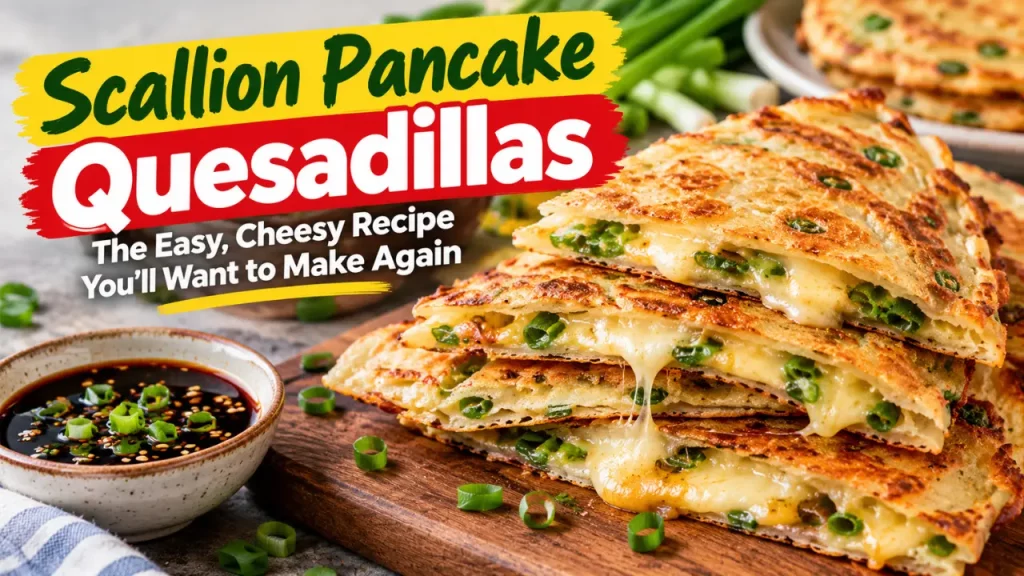
Why does the version you made at home turn out soggy in the middle and burnt on the edges, when the one you had at a friend’s house was crisp all the way through? The difference almost never comes down to the recipe itself. It comes down to which pancakes you bought, how hot your pan actually was, and whether your filling was fighting against you from the start. This article skips the basics — you already know you can swap tortillas for frozen scallion pancakes, layer in cheese, pan-fry until golden, and dunk the result in a soy-vinegar sauce. What follows is what actually goes wrong, and how to fix it for the situations most recipes never mention.
What should you do differently with Trader Joe’s scallion pancakes?
Treat them as thinner and smaller than the generic Asian-grocery brands most recipes are written for, which means shorter cook time and a lighter hand with filling. Trader Joe’s pancakes tend to be more delicate and cook through faster than the thicker, restaurant-style rounds sold in Asian supermarkets, so if you use the cook time printed for a generic brand, you will burn the outside before the inside sets. Start checking for doneness earlier than you think you need to, and resist the urge to crank the heat to compensate for their smaller diameter. Because they’re smaller, you’ll also want less filling per pancake than a recipe built around a large restaurant-style pancake calls for — overfilling a small, thin pancake is the single fastest way to make it tear when you flip it.
Why do the layers separate or burn before the inside cooks?
This happens because the heat is too high for a pancake that’s frozen solid, so the exterior sets and chars while the center is still cold and raw. Scallion pancakes are laminated — thin sheets of dough folded over themselves with oil in between — and that structure is exactly what makes them crisp, but it also means heat has to travel through several layers before the center is cooked. On high heat, the outer layer crisps in well under a minute while the inside is still icy, and by the time the center finally cooks through, the outside has gone from golden to burnt. The fix is to drop to medium-low heat and extend the cook time. Let the pancake sit in a pan that’s hot enough to sizzle gently but not smoke, and give it noticeably longer per side than you’d give a plain tortilla — somewhere in the range of several minutes per side rather than one or two. If you’re assembling a full quesadilla with cheese in the middle, a brief covered stretch partway through helps trap heat so the cheese actually melts before the outside over-browns. A lid or an inverted bowl over the pan for a minute does more for even cooking than turning up the burner ever will.
Can you make these ahead or freeze them without losing the crisp?
Yes, but only if you freeze them before the final crisping step, not after. Assemble the quesadillas — pancake, cheese, filling, second pancake — and freeze them flat and uncooked, ideally with a layer of parchment or wax paper between each one so they don’t fuse together. Cooking them fully, then freezing and reheating, almost always produces a soft, slightly rubbery texture, because the moisture that gets driven out during the first fry re-absorbs into the layers as the quesadilla cools and sits. Freezing raw assembled quesadillas and cooking them straight from frozen preserves far more of the original crispness. When you’re ready to eat one, don’t thaw it first — thawing lets condensation form between the layers, which is the opposite of what you want. Go straight from freezer to a medium-low pan, and give it extra time compared to a fresh one, checking that the cheese has fully melted before you call it done. If you’ve already cooked a batch and have leftovers, a dry skillet or a toaster oven does a better job of re-crisping them than a microwave, which will leave the outside soft no matter how long you run it.
Does this work for gluten-free or dairy-free eaters?
It can, but you need substitutes that are built for holding a layered structure together, not just avoiding an allergen on a label. Standard scallion pancakes are made from wheat flour, so for gluten-free eaters the realistic path is seeking out a gluten-free scallion pancake or flatbread specifically labeled as such, since a regular wheat tortilla swap obviously isn’t an option and most gluten-free tortillas are too thin and crumbly to survive a double-layer pan-fry. If you can’t find a dedicated gluten-free scallion pancake, a sturdy gluten-free flatbread that’s meant to hold up to folding — rather than a delicate wrap — is a closer substitute, though the flavor and texture will be noticeably different from the original. For dairy-free versions, the cheese matters more than people expect: a cheese substitute that actually melts and gets slightly stretchy will bind the layers the way real cheese does, while one that stays firm when heated will leave the quesadilla structurally loose, meaning it falls apart when you cut it instead of holding together in wedges. If your dairy-free cheese doesn’t melt well, a thin layer of mashed avocado or a dairy-free spread underneath it gives the filling something to cling to.
How do you stop wet fillings like kimchi or spinach from making the pancake soggy?
Squeezing the filling dry only solves half the problem, because even “dry” kimchi and cooked spinach keep releasing liquid as they heat up inside the pancake. The bigger fix is building a barrier between the wet filling and the dough. A thin layer of cheese directly against the pancake, before the wet filling goes on, acts as a seal — as the cheese melts it partially blocks moisture from soaking directly into the pancake’s layers. It also helps to cook wet fillings separately first, letting excess liquid evaporate in a hot pan before they ever touch the pancake, rather than relying on squeezing alone. Finally, keep the wet filling to a thin, even layer across the center rather than piling it, since a thick clump holds its moisture close to the dough for longer and has nowhere to go but down into the pancake while it cooks.

Tom Fletcher
The latest from the Australian and global BBQ scene — comps, cooks and culture.