Alison Lapper Pregnant: The Story Behind Her Famous Sculpture and Motherhood
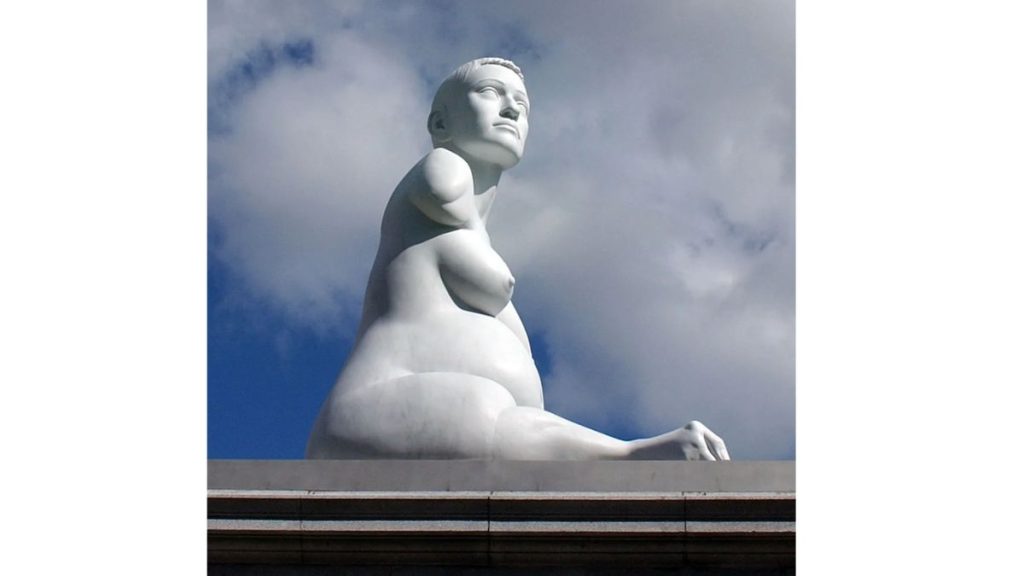
Alison Lapper is a British artist and former model best known for Alison Lapper Pregnant, a controversial sculpture that challenged traditional ideas about disability, motherhood, and beauty.
Her story attracted widespread attention because she became a mother despite being born with a condition affecting the development of her limbs. The sculpture, created by artist Marc Quinn, became a powerful symbol of strength, independence and acceptance.
Why Alison Lapper Pregnant Became Famous
Alison Lapper was born on April 7, 1965, in Burton upon Trent, England. She was born with phocomelia, a congenital condition that affects the development of the limbs. Despite facing significant challenges during her childhood, she developed an independent outlook and eventually pursued a career in art and modeling.
Her life changed in a particularly meaningful way when she became pregnant with her son, Parys. Around that time, artist Marc Quinn approached her about creating a sculpture that would celebrate her body and challenge conventional representations of beauty.
Quinn had been exploring how bodies with different physical characteristics could be represented in art. When he learned that Lapper was pregnant, he saw an opportunity to create something that represented life and the future.
The resulting marble sculpture, titled Alison Lapper Pregnant, showed Lapper naked and visibly pregnant. Standing approximately 3.5 meters tall and weighing around 13 tons, the sculpture was unveiled on September 15, 2005, on the fourth plinth in London’s Trafalgar Square.
The artwork attracted considerable controversy. Some people criticized its appearance, while others praised its message about disability, equality and motherhood. For Lapper, the experience provided an opportunity to challenge the assumptions people often make about disabled women.
Alison Lapper’s Experience of Pregnancy and Motherhood
Lapper’s pregnancy was an important chapter in her life. She explained that some people had questioned whether disabled women should become parents, reflecting widespread misconceptions about disability and family life.
She rejected those judgments and demonstrated that physical differences do not determine someone’s ability to experience love, independence or motherhood.
During the creation of the sculpture, Lapper spent approximately four hours sitting for Quinn while he developed the initial form. She later explained that the process was physically demanding because she needed support to maintain her position.
The sculpture became more than a portrait of a pregnant woman. It represented Lapper’s experience and challenged the limited ways disabled people had traditionally been portrayed in public art.
Her son, Parys, became central to her life. She spoke openly about the love she felt for him and the importance of their relationship.
Remembering Her Son Parys
Although Alison Lapper Pregnant celebrates motherhood, Lapper’s personal story also includes profound grief. Her son Parys died in 2019 following struggles involving mental health and drug problems.
His death deeply affected her, and she later explored her grief through paintings and portraits of him. Art became a way to express feelings that were difficult to communicate through words alone.
Lapper’s experiences also influenced her interest in helping young people express themselves creatively. Through her work, she has continued to highlight the importance of understanding, compassion and opportunities for people facing difficult circumstances.
Alison Lapper’s Lasting Legacy
The sculpture remained on Trafalgar Square’s fourth plinth for two years, becoming one of the site’s most memorable contemporary artworks.
Today, Alison Lapper is remembered for more than her connection to a famous sculpture. Her story challenges stereotypes surrounding disability, pregnancy and motherhood while demonstrating how art can encourage important public conversations.
Her experience as a mother, artist and advocate has helped broaden discussions about representation and inclusion. Alison Lapper Pregnant continues to stand as a reminder that different bodies deserve recognition and respect, and that motherhood and human dignity should never be defined by physical appearance.