Heidi Overton Controversy: White House Withdraws FDA Commissioner Nomination
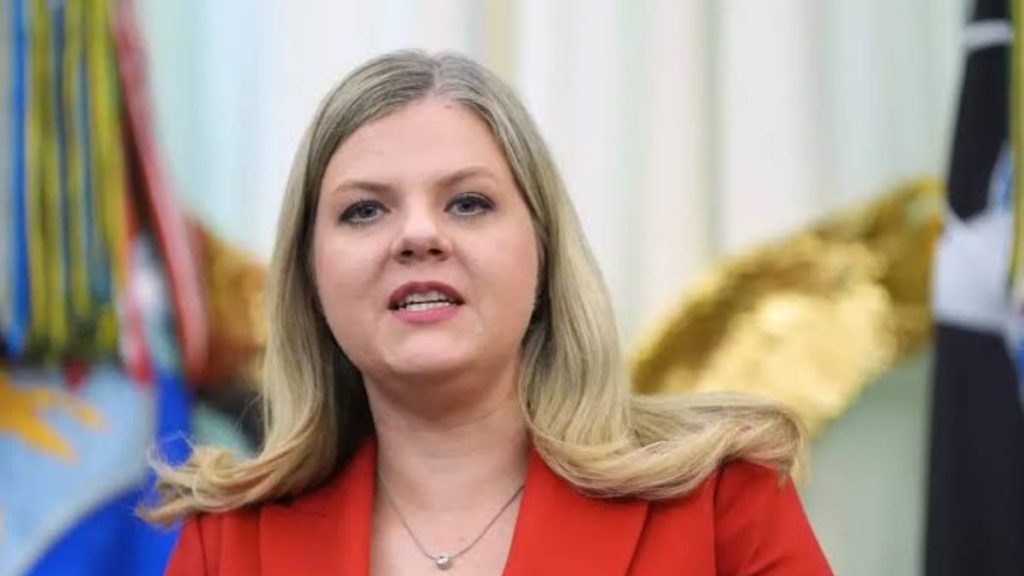
The controversy surrounding Dr. Heidi Overton intensified in November 2026 after the White House withdrew her nomination to serve as commissioner of the Food and Drug Administration (FDA). The decision came after concerns emerged about whether she had enough support among Senate Republicans to move forward with the confirmation process.
Overton’s nomination had attracted attention from political leaders, healthcare advocates and supporters of the Make America Healthy Again (MAHA) movement. Her record and positions on several public health issues became subjects of debate as lawmakers prepared for a committee vote.
The withdrawal marked a significant setback for the administration’s effort to appoint her to lead one of the country’s most influential federal health agencies.
Why Heidi Overton Faced Controversy
Overton’s nomination faced criticism over several healthcare policy issues, particularly childhood vaccination recommendations, abortion medication and vaping products.
One of the major concerns involved her support for changes to childhood vaccine recommendations under the Trump administration. Overton was associated with efforts to reconsider the number of vaccines recommended for children and to separate combination vaccines, including the measles, mumps and rubella (MMR) vaccine.
Sen. Bill Cassidy, a Republican physician who chaired the Senate Health, Education, Labor and Pensions Committee, expressed serious reservations about her involvement in the vaccine policy changes. He questioned whether she would maintain scientific independence if appointed FDA commissioner.
Her positions on abortion medication also became controversial. Overton had criticized policies that expanded access to mifepristone, a medication used in abortion care. Her views attracted criticism from reproductive rights advocates, while some anti-abortion organizations also wanted stronger commitments regarding restrictions on the medication.
Vaping became another issue during her confirmation battle. Overton defended FDA authorization of certain flavored e-cigarettes, arguing that flavored products could help some adult smokers transition away from traditional cigarettes. Critics worried that flavored vaping products could appeal to younger people.
She also faced criticism from some MAHA supporters over her alleged connections to corporate interests and her role in administration policies they believed conflicted with the movement’s goals.
Senate Opposition and Nomination Withdrawal
Overton’s confirmation prospects weakened as Republican senators expressed doubts about supporting her nomination. With Democrats expected to oppose her, she needed sufficient Republican backing to advance through the Senate committee.
The White House ultimately withdrew her nomination on November 17, 2026, before the scheduled committee vote. The decision followed growing concerns that she did not have enough votes to secure confirmation.
The withdrawal leaves the FDA without a permanent commissioner and raises questions about who will lead the agency moving forward. The FDA oversees medicines, vaccines, medical devices, food safety and other products that affect millions of Americans.
Overton’s nomination became a significant political controversy because criticism came from different sides of the healthcare debate, including Republican lawmakers, public health advocates, reproductive rights groups and members of the MAHA movement.
Her withdrawal highlights the challenges facing the Trump administration as it attempts to reshape federal healthcare policy while navigating disagreements within its own political coalition.AP News+2