Zachary Rolfe Trial: Details of the Kumanjayi Walker Case and Its Aftermath
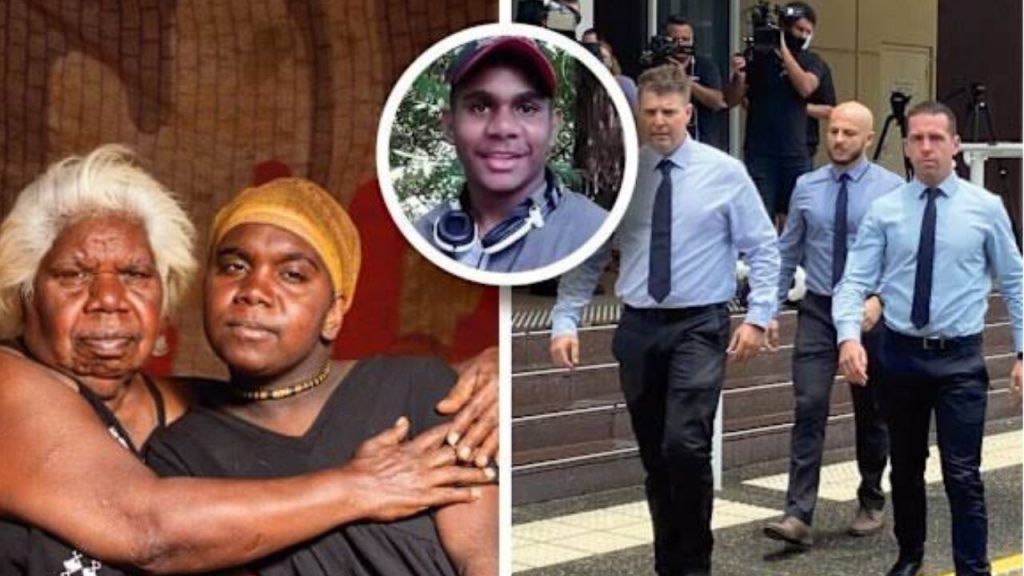
The Zachary Rolfe trial became one of Australia’s most widely discussed criminal cases involving police conduct and Indigenous rights. The case followed the fatal shooting of 19-year-old Kumanjayi Walker by Northern Territory police officer Zachary Rolfe in the remote community of Yuendumu in November 2019.
Walker was an Indigenous teenager whose death raised serious concerns about police interactions with Aboriginal communities and the ongoing issue of Indigenous deaths in custody. The shooting attracted widespread attention and led to years of legal proceedings, public debate and calls for accountability.
Rolfe fired three shots during an attempted arrest, killing Walker. The incident later became the subject of the four-part documentary series 2.6 Seconds: Death in the Outback, directed by Darren Dale. The title refers to the 2.6-second interval between the first and second shots fired by the officer.
The case remains significant because it highlights the complicated circumstances surrounding Walker’s death and the broader challenges facing Australia’s justice system.
What Happened in the Zachary Rolfe Trial?
The shooting occurred after an earlier attempt by police to arrest Walker. Three days before his death, officers had attempted to take him into custody, but the operation was unsuccessful. During that encounter, Walker threatened police officers with an axe.
Walker had experienced a difficult childhood and faced cognitive and health challenges. These circumstances later became important parts of discussions about how authorities responded to him and whether the situation could have been handled differently.
Rolfe had a background in the Australian Army and had served in Afghanistan. Before joining the Northern Territory Police, he also completed advanced weapons training with a private company in the United States.
After the shooting, Rolfe faced a five-week murder trial in connection with Walker’s death. Three years after the incident, the court found him not guilty of murder and cleared him of two other charges.
The verdict attracted considerable attention across Australia. While the legal proceedings reached a conclusion, questions about police responsibility, Indigenous rights and the circumstances of the shooting continued to generate public discussion.
Documentary Examines Walker’s Death and Its Lasting Impact
The documentary 2.6 Seconds: Death in the Outback revisits the case through interviews, police body camera footage and accounts from people connected to the incident.
It examines the backgrounds of both Walker and Rolfe while exploring wider issues, including institutional racism, poverty, intergenerational trauma and policing challenges in remote communities.
One of the documentary’s important contributors is Samara Nangala Fernandez Brown, one of Walker’s cousins. She is presented as a determined family member who continues to seek justice and recognition for what happened to her cousin.
The documentary also discusses a later coronial finding in which Rolfe was found to have racist attitudes. The coroner could not rule out the possibility that those attitudes contributed to Walker’s death.
The series is available through SBS On Demand in Australia and is scheduled to reach Netflix internationally in 2027.
The Zachary Rolfe trial continues to represent a painful and important moment in Australian history. Walker’s death has become part of a much wider conversation about Indigenous communities, police accountability and equal treatment under the law.